In this article 10 sections
7 min read · Updated: 2026-10-15
A marketing-minded reader asks how to leverage Glasgow culture and events for campaigns without losing focus. This guide answers by outlining concrete steps to find, assess, and use local happenings to boost visibility, engagement, and relevance. You’ll learn practical approaches for sourcing timely topics, aligning them with your brand, and measuring impact.
Glasgow’s events ecosystem offers chances to anchor content, seasonal campaigns, and community relevance. The plan below emphasizes clear criteria, quick vetting, and disciplined integration into your content and paid programs. You’ll walk away with a repeatable process, not a one-off stunt.
Next, we map the basics to practical actions: where to look, how to judge fit, and how to plan for coverage that earns audience trust and real media value.
- Use Glasgow events to create timely, credible campaigns without sacrificing brand voice.
- Vet opportunities for audience fit and practical impact before drafting content.
- Plan formats that scale: quick social, longer articles, and interviews.
- Track performance and refine your approach with every new listing.
Basics: finding relevant happenings
What to watch for in listings
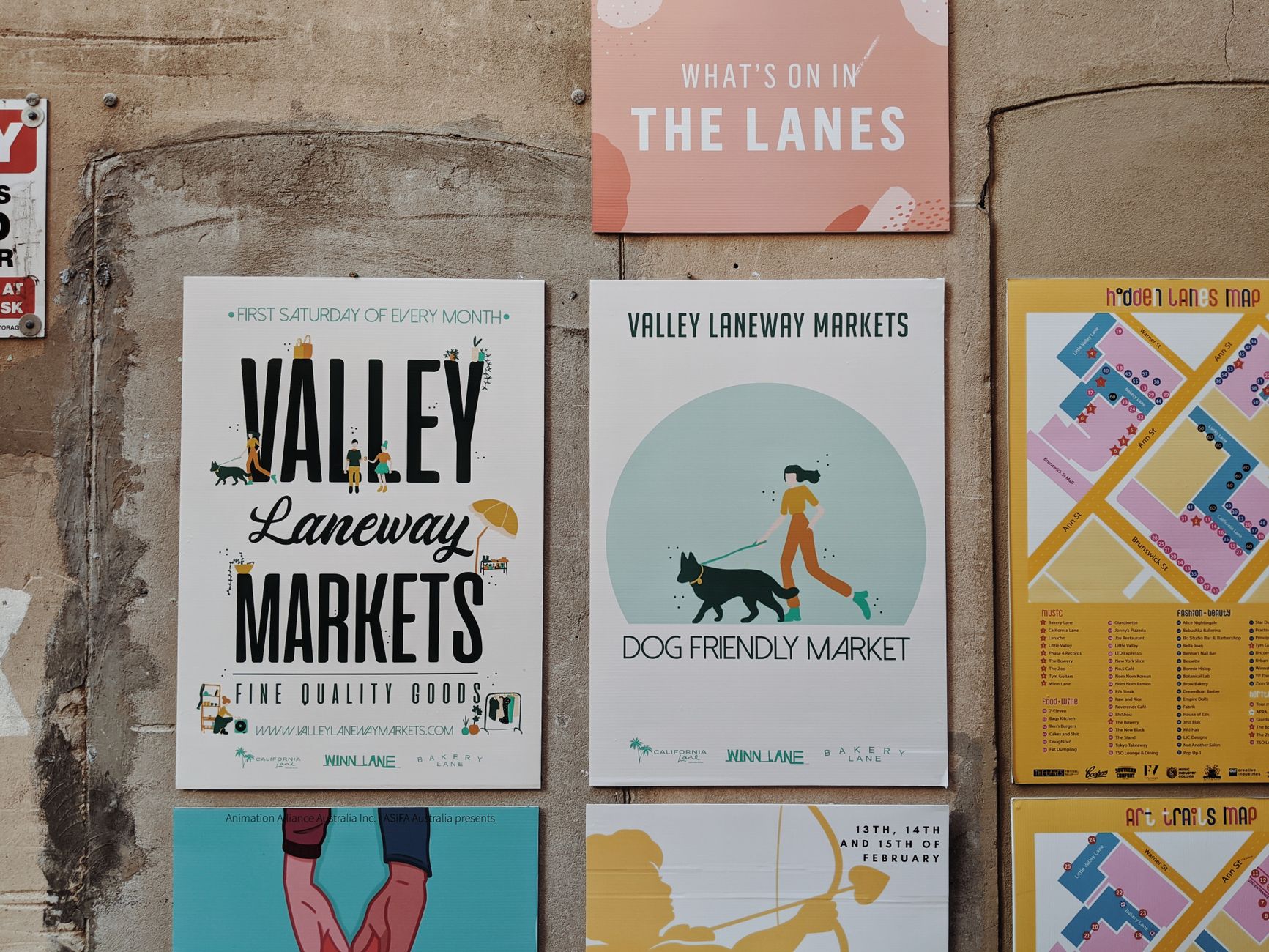
Start with licensed calendars and official tourism pages to gauge scale and timing. Compare events against your audience’s interests and your brand voice. Look for recurring themes that align with campaigns or product launches. what's on in Glasgow
Identify unique angles that suit your content pillars, such as culture, innovation, or community impact. Prioritize events with clear, storyable hooks that can be woven into visuals or a narrative.
Be mindful of timing windows; align a few micro-storylines to sustainability or social impact where relevant.
- Focus on events with long-tail storytelling potential
- Prioritize sources with reliable dates and clear access details
- Note audience-relevant themes for quick content planning
Where to source quick ideas
Use event calendars, venue announcements, and local media roundups to seed topics. Look for charity events, product launches, or awards that relate to your audience’s interests. Draft a one-paragraph hook that connects the event to your brand story.
Match the event to a content format you routinely publish—short social posts, mid-form articles, or day-in-the-life features. A tight hook and a clear takeaway help maintain focus.
Record a quick checklist: audience fit, brand alignment, required approvals, and a rough publish timeline.
- Event calendars
- Venue announcements
- Local media roundups
How to vet opportunities

Brand fit and audience relevance
Assess whether an event speaks to your core audience and supports your current campaigns. If the event sits outside your brand, frame it as a cultural touchpoint or community story rather than a product pitch. Glasgow Daily latest news
Evaluate the event’s tone, audience size, and accessibility. A smaller, highly engaged gathering can outperform a large, diffuse spectacle for certain brands.
Document potential outcomes: reach, engagement, and the likelihood of earned media pickups.
- Check alignment with campaign goals
- Assess tone and accessibility
- Estimate possible media value
Planning content around events
Create a simple calendar that maps events to content slots and formats. Build a baseline package: a hero post, a supporting article, and social cut-downs. Leave room for reactive updates when a story breaks.
Coordinate with regional teams to confirm permits, access, and asset rights before publishing. Use pre-approved templates to speed approvals.
Track performance after publication to refine future selections and messaging.
- Create a small content kit per event
- Secure rights and access early
- Measure and adjust after each piece
Options for coverage
Earned media vs owned channels
Earned coverage from events can boost credibility when you link to credible sources and provide thoughtful commentary. Use owned channels to publish behind-the-scenes content, interviews, and recap roundups. Balance is key to a cohesive narrative. submit your business in Glasgow
Don’t rely on a single channel. Cross-post high-quality snippets to social, email newsletters, and your blog to maximize reach without diluting the message.
Keep a content ledger: what you produced, where it ran, and the observed impact on awareness and engagement.
- Earned media for credibility
- Owned channels for depth
- Cross-channel consistency
| Format | Strengths | Limitations |
|---|---|---|
| Earned media | Credibility, third-party validation | Less control over timing and messaging |
| Owned channels | Depth and detail | Requires planning and resources |
| Cross‑channel | Broad reach | Needs consistent execution |
Content formats that travel
Short-form social edits work well for real-time moments, while longer essays or case studies anchor a more durable narrative. Event roundups, interviews with organizers, and market insights tied to Glasgow themes provide depth without excess hype.
Use visuals that are easily repurposed: graphics, quick video clips, and localized photography. High-contrast visuals help cut through crowded feeds.
Plan a lightweight approval flow to keep momentum without sacrificing accuracy.
- Real-time posts
- In-depth features
- Repurposable visuals
Always credit organizers and participants, and respect privacy when filming or annotating.
Pitfalls to avoid
Common misfires and how to avoid them
Overlapping with competitors’ campaigns reduces distinctiveness. Choose angles that offer a fresh take on Glasgow’s scene. A unique story angle usually matters more than the event itself. Glasgow classified ads
Relying on a single channel is risky. Diversify formats and test quick adaptations for each platform.
Underestimating permissions can stall coverage. Confirm access and usage rights early and document approvals.
- Avoid copycat angles
- Diversify formats
- Check permissions early
Ethics and local context
Always credit organizers and participants, and respect privacy when filming or annotating. If an event touches sensitive topics, seek guidance from your internal brand safety process. A thoughtful approach protects trust and long‑term value.
Be transparent about sponsored content and clearly separate it from editorial material to maintain credibility.
Keep the narrative focused on useful takeaways for your audience and not on brands alone.
- Credit sources
- Respect privacy
- Disclose sponsorships
Planning for more Glasgow topics
Mapping local themes
Begin with a quick audit of Glasgow’s current cultural beats and business districts. Identify themes that align with your client’s audience—arts, tech, music, finance—and map them to seasonal spikes. This clarity keeps content focused and actionable for campaigns. obituaries in Glasgow
- ☐ State the objective in one sentence.
- ☐ List 3 concrete angles for coverage.
- ☐ Define the next action item and responsible owner.
Use a simple content calendar to track festivals, conferences, and public exhibitions. Assign a primary takeaway for each topic and a secondary angle for social media. This approach ensures you cover diverse angles without redundant coverage.
Draft production briefs that spell out audience intent, required assets, and timelines. Include measurement points, such as reach, engagement, and share of voice. A clear brief prevents scope creep and speeds approval.
- Audit local calendars quarterly
- Tie topics to buyer personas
- Pre-approve asset templates
- Schedule review checkpoints
Engaging local audiences
Audience-first storytelling
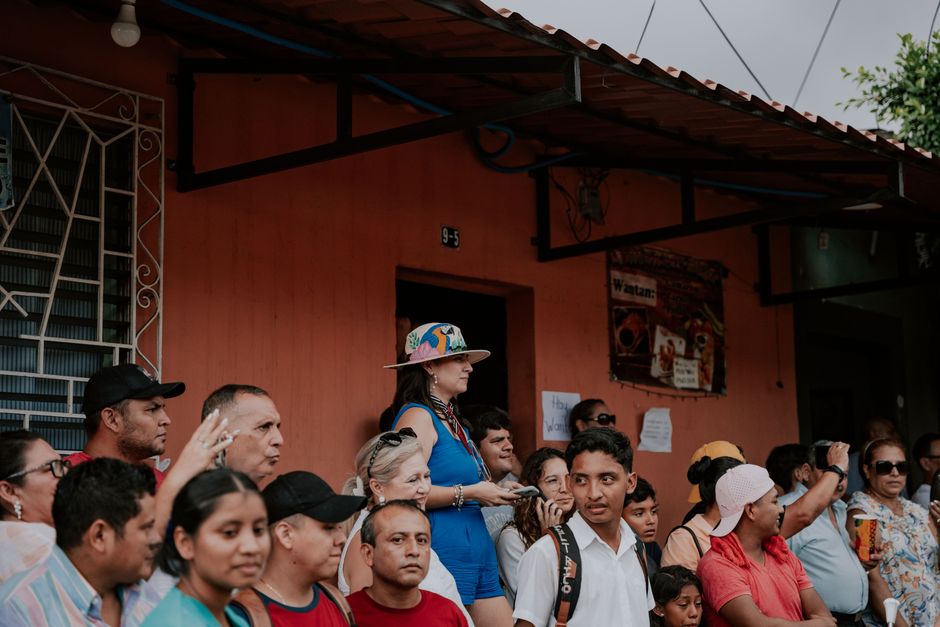
Start with what matters to Glasgow readers—neighborhood stories, community businesses, and city pride. Translate events into practical benefits for marketers, such as audience footfall or cross-promotional equity. This makes coverage relevant and actionable.
Create micro-t stories around each event: a prep plan, a live moment, and a post-event takeaway. Each piece should offer a teachable rule or technique a marketer can reuse. Consistency builds reader trust.
End with a tactical recap: three ideas readers can implement this week to boost local engagement. Ground suggestions in real examples, avoiding vague platitudes.
- Feature 3 local voices per piece
- Provide a measurable CTA
- Offer a one-page recap for teams
Partnering with events
Strategic collaboration steps
Approach event organizers with a clear value proposition: access to a relevant audience, co-branded content, and measurable impact. Prepare a simple media kit that shows past results and projected reach for Glasgow campaigns. This helps decisions move faster.
- Identify shared goals
- Agree on assets and timing
- Confirm measurement method
- Archive the contract and notes
Negotiate deliverables that fit marketing goals: sponsored posts, on-site activations, and post-event analytics. Keep commitments realistic and documented to avoid scope creep. Use a mutual success metric that both sides can track.
Document lessons from each partnership to refine future proposals. Track what content formats perform best and which channels drive engagement in Glasgow. A repeatable process saves time and improves results.
- Define deliverables upfront
- Use mutual success metrics
- Capture post-event learnings
- Maintain a transparent approval trail
Sustainability and ethics in city marketing

Transparent and responsible practices
Explain clearly how events are selected to avoid perceived bias or over-commercialization. Provide readers with a simple rubric to judge whether a city marketing effort serves audiences and brands fairly. This builds legitimacy with local and national partners.
Highlight accessibility and inclusivity in coverage. Ensure events are accessible in terms of transport, pricing, and language. Marketers gain broader reach when campaigns reflect diverse Glasgow communities.
Adopt ethical data practices for audience insights gathered from local events. Be explicit about data use, retention, and consent. Ethical handling strengthens trust and long-term engagement.
- Publish selection criteria
- Showcase accessibility efforts
- Clarify data usage practices
- Invite community feedback
Frequently asked questions
How do I start finding events in Glasgow that fit a client brief?
Begin with a two-step filter: relevance to the client’s audience and alignment with ongoing city conversations. Build a simple calendar of 4–6 events per quarter, with clear intent for each item. This keeps sourcing focused and efficient.
What format performs best for local event content?
A mix of short-form social posts, brief on-site insights, and a longer, practical guide tends to work well. Each piece should yield a tangible takeaway the reader can apply in their own campaigns.
How should I measure impact in Glasgow campaigns?
Track engagement, reach within the target area, and any direct actions users take after reading. Use a simple dashboard that compares planned versus actual outcomes for quick course corrections.
What common mistakes should marketers avoid?
Overloading content with vendor mentions, neglecting local voices, or misjudging event scale. Prioritize clear relevance, authentic collaboration, and accurate representation of the event.
Conclusion: Practical steps for ongoing Glasgow coverage
Develop a concise Glasgow content plan that maps events to audience needs and marketing goals. Include a quarterly calendar, a set of reusable templates, and a clear approval flow to keep production efficient.
Pilot a small, multi-format package around a flagship Glasgow event to test assumptions and refine storytelling. Capture lessons on tone, pacing, and visuals, then apply them to future campaigns. This disciplined approach turns city insights into repeatable results.