
In this article 10 sections
- Basics of local directories
- Measuring impact and fit
- Where to start and why
- Risks and red flags
- Advanced optimization for listings
- Integrating listings with broader marketing
- Directory alternatives and complements
- Actionable checklist and next steps
- Frequently asked questions
- Closing thoughts and next actions
8 min read · Updated: 2026-10-14
If you’re building a local marketing plan, a local business directory in the USA can extend reach and trust with minimal cost. This article explains when to use such a directory, how it affects search visibility, and what to watch for in terms of consistency and quality. You’ll get clear, actionable steps to evaluate options and avoid common missteps.
Next, we compare kinds of directories by usefulness, claiming a predictable impact on awareness and engagement. We’ll show how to test a listing, measure small wins, and decide whether to invest time and resources. The goal is a practical framework you can apply to any market or niche.
Finally, you’ll find a simple checklist to implement or audit a directory listing program. Keep it focused on your top customer signals: accuracy, relevance, and ongoing maintenance. This approach helps marketing teams protect brand integrity while expanding local footprint.
- Local directories can boost visibility and trust when data is accurate and profiles are complete.
- Choose a few high-value platforms that match your audience and update them regularly.
- Measure impact by profile engagement, not just traffic, and adjust tactics based on what moves conversions.
- Use a simple plan with clear targets to avoid scattered efforts and wasted time.
Basics of local directories
What these listings do for brands
A directory listing places your business in a public catalog that customers search when looking for local services. It’s a touchpoint that can influence trust and initial consideration, especially for smaller or newer brands. Consistency across listings strengthens recognition and reduces user friction. local business directory in the USA is a common starting point for local visibility and consumer trust.
Consistency matters because mismatched NAP data – name, address, phone – drives confusion and erodes click-through rates. A clean listing can improve local zip code relevance and capture near-me searches. Practically, claim your profiles on a few reputable platforms and update them quarterly.
Brand signals in directories include category relevance, photos, and service descriptions. A precise description helps customers understand your value quickly, particularly on mobile searches. Aligning these signals with your broader marketing messages boosts overall performance.
- Claim profiles on primary directories
- Audit NAP data across listings
- Use consistent business descriptions
- Add high-quality photos and services
- Monitor changes quarterly
Measuring impact and fit

How listings influence results
Listings contribute to local search visibility and can drive traffic from map packs and local queries. They also support brand trust when customers see consistent information across sources. In some cases, listings increase call volume and store visits in the short term. Defense News US USA news is often cited as an example of sector-focused outlets that influence how audiences view information.
Measurement should focus on profile clicks, calls, and direction requests rather than vanity metrics. Track changes after updates to see whether accuracy or photos improve engagement. Use simple benchmarks to decide if the listing is worth continued effort.
Real-world tests show that updated photos and clearer service descriptions often correlate with higher click-through rates. Avoid stuffing keywords; relevance and clarity outperform dense optimization.
Where to start and why
Choosing the right directories
Not every directory carries equal weight for every market. Start with the biggest platforms that serve your location or industry, then expand to niche directories that mirror your services. Prioritize places where your ideal customers search. get your event listed in the USA is a practical step for organizers to gain wider attendee visibility and local traction.
- Identify top directories for your market
- Create or claim listings
- Fill in all fields with accurate data
- Review and refresh quarterly
Identify core attributes to compare: reach, user quality, features, and ease of updating. A simple scoring system helps you decide where to invest time. You’ll want a balance between broad visibility and tight relevance.
As you draft a plan, set clear success criteria for each listing. For example, a profile might aim for a certain number of photo uploads or a complete set of service categories. Concrete targets keep teams aligned.
- Target top 3-5 directories first
- Evaluate relevance to your industry
- Check update ease and feature set
- Plan quarterly refreshes
- Set simple success criteria
| Directory type | Pros | Cons |
|---|---|---|
| Broad market sites | Wide reach and quick setup | Less industry precision; noise in results |
| Niche or industry-specific | Higher relevance; better qualified traffic | Slower growth and smaller audiences |
| Hybrid approach | Balanced visibility and control | Requires ongoing management across platforms |
Build a simple process to respond to both positive and negative feedback.
Risks and red flags

Common mistakes to avoid
Overloading a profile with generic copy reduces clarity and harms perceived relevance. Prefer precise service descriptions tailored to your audience. second-hand items for sale in the USA can benefit from listings when the market needs clear location-based discovery.
Neglecting review responses can erode trust; customers expect timely, thoughtful engagement. Build a simple process to respond to both positive and negative feedback.
Inconsistent data across listings creates confusion that costs clicks, calls, and conversions. Regular audits help catch discrepancies before they hurt performance.
Avoid relying on a single directory for all visibility; diversified placement protects against platform-specific changes and outages.
- Overuse generic language
- Ignore reviews or feedback
- Allow data to drift across listings
- Depend on one platform only
- Skip regular audits
Advanced optimization for listings
Audit current listings and data
Start with a data sweep across all major directories to see where your business is listed and how information is presented. Prioritize consistency in name, address, and phone number to avoid confusion. Use plain language to describe services and locations, matching what customers search for. death notices in the USA
Small changes in business descriptions can boost relevance for local queries, so tailor copy to reflect neighborhood terms and service areas. Consider adding hours, service tags, and updated photos to improve trust. This is about clarity and accuracy first, then optimization.
A solid foundation also means correcting common errors such as duplicate profiles or mismatched categories. Regularly review listings for out-of-date promotions or seasonal services and remove outdated items. A clean dataset makes all downstream optimization more effective.
- Verify NAP consistency across all platforms
- Identify duplicate listings to merge or delete
- Update categories to match core services
- Add a few location-specific keywords to descriptions
- Refresh photos to show recent work
Integrating listings with broader marketing
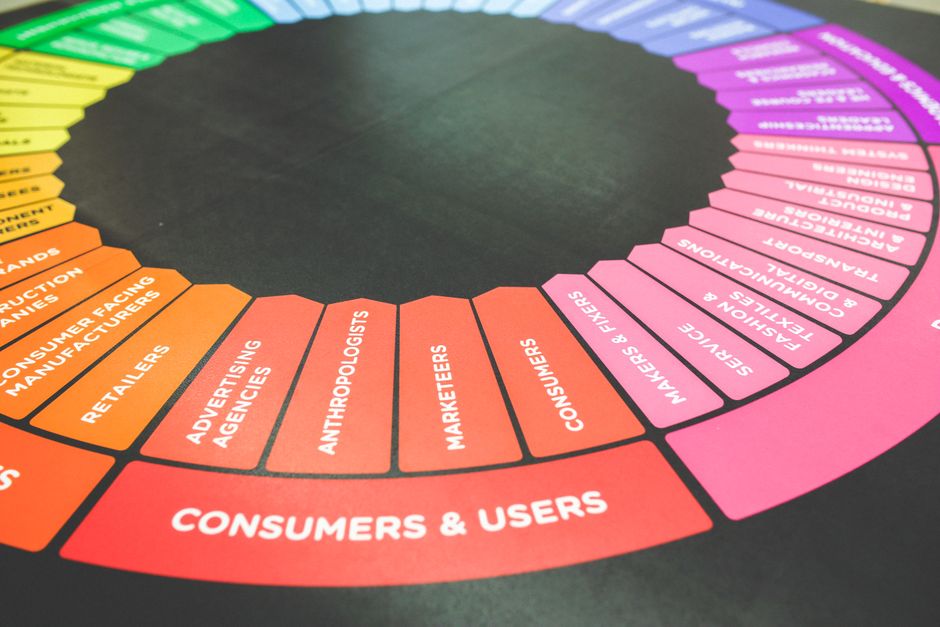
Create a unified local message
Coordinate listings with ongoing marketing campaigns so the tone, offers, and priorities line up across channels. Use the same value proposition in directory bios as in paid ads and social content. The aim is a seamless experience from search result to landing page.
Leverage listing data in your content calendar by aligning event promotions or seasonal services with what buyers in your area are searching for. Consistency reduces friction and builds recognition for your brand. This is about cohesion across touchpoints.
Monitor performance signals from listings as part of attribution models, watching for changes in call volume, map clicks, or profile visits. Use that feedback to refine keywords and service areas and to adjust budgets for local campaigns.
- Harmonize value props across channels
- Sync promotions with listing updates
- Track local performance metrics
- Adjust SEO keywords for local intent
- Coordinate visuals and branding
Directory alternatives and complements
When a directory is not enough
Directories are just one way to reach local customers. You also need a branded landing page, active Google Business Profile, and local PR to create a multi-channel funnel. Relying solely on listings risks thin reach and limited insight.
- List top directories to claim
- Ensure NAP consistency
- Update photos and services
- Set post-purchase follow-ups
Explore niche or regional directories that align with your industry to extend reach without diluting your message. The best options combine broad visibility with targeted, high-intent audiences. This approach improves both reach and relevance.
Use measurement to decide between listings and alternatives, focusing on quality signals like engagement, phone calls, and online reviews. A well-balanced mix helps you capture different stages of the buyer journey.
- Diversify with niche directories
- Maintain a strong owned presence
- Measure quality signals across channels
- Regularly refresh critical profiles
- Avoid over-positional pricing in listings
Actionable checklist and next steps

Concrete steps to implement
Begin with a final audit of all listings and align them to your most important service areas. Create a single master profile that others mirror to prevent drift. Implement a standard template for bios, hours, and service lists.
Set a quarterly schedule for audits, updates, and response management to keep the listings fresh and accurate. Assign ownership within the marketing team so accountability is clear. Track changes in visibility and engagement after each update.
Develop a simple measurement framework that ties listing activity to outcomes like calls, direction requests, and website visits. Use it to justify budget and guide future optimizations.
- Audit and harmonize NAP
- Create a master listing template
- Schedule regular updates
- Assign ownership and review cadence
- Link listings to performance metrics
Frequently asked questions
Can I skip some directories to save time?
Yes, focus on high-visibility, relevant directories first. Prioritize quality signals and consistency over breadth, then expand only if you can maintain accuracy and regular updates.
Will listing optimization hurt my other marketing efforts?
No. When done well, listings reinforce your broader strategy by reinforcing your value proposition, improving local signals, and guiding users to your owned assets.
How often should I update listings?
Review major details quarterly and refresh images or descriptions with seasonal relevance at least twice a year. More frequent updates help maintain engagement and trust.
What’s the best way to handle reviews tied to listings?
Respond promptly and professionally to all reviews, especially negative ones. Use responses to demonstrate accountability and show how you address customer concerns.
Closing thoughts and next actions
The work starts with clean, accurate data and a clear ownership model so listings reflect your real service footprint. From there, align every descriptor with your broader marketing message to protect brand consistency across channels. The practical payoff is easier discovery and more qualified interactions.
Next, build a lightweight rhythm of updates, audits, and measurement. A predictable cadence turns listing maintenance into a repeatable, measurable process that scales with your marketing goals.