

In this article 10 sections
6 min read · Updated: 2026-10-15
Promoting your business at events starts before you pack a bag or book a stall. The goal is to attract the right attendees, capture leads, and leave a memorable impression that translates into follow-up activity. This guide lays out practical steps you can apply at any event to maximise visibility and value without guesswork.
First, choose events that align with your target customers and objectives. Then craft a simple message your team can repeat consistently. Finally, prepare materials and a follow-up plan that moves prospects from interest to action.
Avoid overloading your stand with gear; clarity beats clutter, and speed matters. Tools, statements, and offers should be discoverable in seconds. With the right setup, an hour at the event can yield weeks of follow-up opportunities.
- Plan with clear goals and audience in mind. Prepare simple, high-contrast visuals and a straightforward lead capture process.
- Train staff to deliver a concise value message and guide conversations toward a next-step action.
- Follow up promptly with personalised outreach tied to the event experience. Revisit objectives after each event to improve.
- The article provides practical steps across foundational prep, on-site engagement, and post-event follow-up, with checklists and templates.
Foundations of event promotion
Define clear objectives
Before you attend, set two measurable goals. Example aims include collecting a specific number of leads or booking follow-up meetings. Align these targets with your business priorities and the event theme. L1: promote your event in Hempstead is a practical way to attract local attention and test messaging with real customers.
A communicated objective helps staff stay focused and guides the design of your booth. If you know what success looks like, you can measure it after the day ends.
A simple objective is easier to achieve than a broad wish list, so keep goals concrete and time-bound.
Know your audience
Research the event’s attendee profile and map it to your buyer personas. Prepare talking points that speak to common needs and pains. Practice a short, value-focused pitch.
Anticipate questions about price, features, and integration with existing systems. Have concise answers ready that avoid jargon.
Design collateral that mirrors the audience’s language and priorities, not just your product features.
Pre-event planning

Budget and timing
Create a realistic budget that covers booth design, travel, and collateral, with a small reserve for on-site needs. Decide on a preferred timeline for booking and preparation. L2: For local teams, checking the latest news Hempstead helps tailor tie-ins with community activities and audiences.
- Define a small contingency fund.
- Lock dates and book travel early.
- Plan reuse of assets across events.
Stick to a simple schedule, with milestones for design, creation of assets, and staff training. Delays compound quickly at busy events.
Review what can be reused at future events to lower ongoing costs.
Asset development
Develop a few clear collateral pieces: a one-page overview, a case study, and a concise product sheet. Ensure branding is consistent across materials.
Create a short demo or video that can play on a screen or a tablet to illustrate value quickly.
Prepare business cards and a simple lead capture form that is easy to use on the floor.
On-site engagement
Conversation starters
Prepare a handful of non-salesy openers that invite dialogue. Lead with a problem and a quick benefit, not a product feature list. L3: When you want to find local businesses in Hempstead, you can build partnerships that extend event reach and credibility.
Use questions to identify decision-makers and budget holders without pressuring them.
Keep conversations moving toward a concrete next step, such as a follow-up call or demonstration.
| Method | Strengths | Limitations |
|---|---|---|
| Standalone booth | Direct visibility of your brand | Limited reach without partnerships |
| Co-hosted event | Shared audience and costs | Requires coordination across brands |
| Sponsorship package | Brand halo and speaking slots | Higher commitment and risk |
Send a personalised follow-up within 48 hours, referencing a specific moment from your conversation.
Post-event follow-up
Lead capture and follow-up
Capture contact details clearly and synchronise them with your CRM or a simple spreadsheet. Record the attendee’s key need and timeline. L4: If you need to advertise a job vacancy in Hempstead, events are a strong channel to showcase culture and opportunities.
Send a personalised follow-up within 48 hours, referencing a specific moment from your conversation.
Offer the agreed next step and a clear way to respond, such as a scheduling link or resource download.
Optimize your presence
Pre-event branding consistency
Consistency across banners, booth design, and staff attire creates a recognizable presence. Ensure your logo, color palette, and messaging align with your brand guidelines. This coherence helps attendees remember your business after the event ends. place an obituary in Hempstead
Plan a simple, memorable value proposition you can articulate in 20 seconds. Practice it with staff so everyone can introduce the company clearly at the booth.
Avoid clutter by focusing on one clear call-to-action at the onsite display, whether it's a signup, demo, or download. A focused approach reduces confusion and increases engagement.
- Align all visual elements to your brand guide
- Prepare a concise elevator pitch
- Limit the booth messaging to one primary CTA
- Create a quick demo or takeaway
Digital tactics for events
Real-time content capture
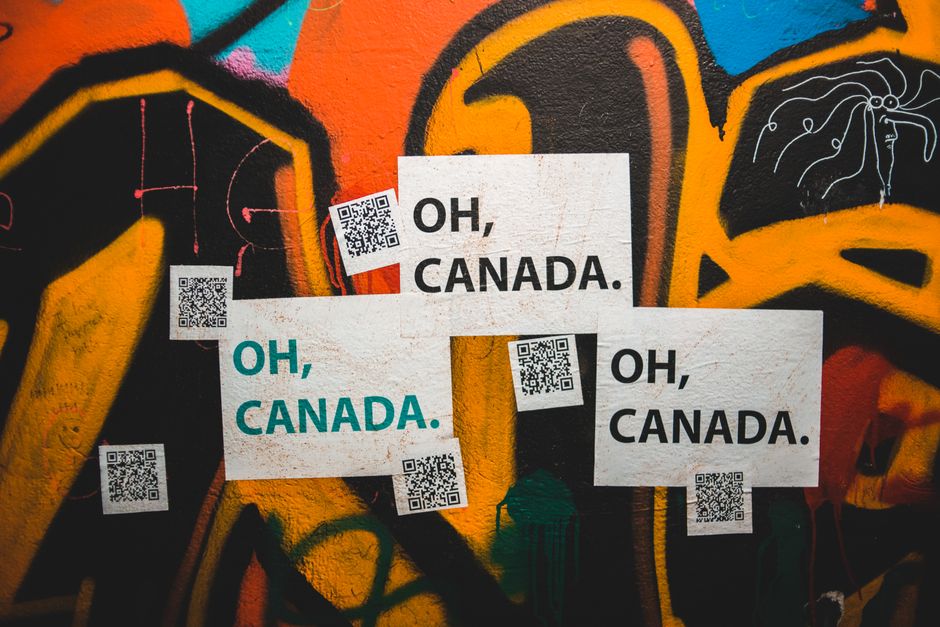
Capture attendee details with a simple sign-up form accessible on tablets or QR codes. Offer a reason to share information, such as a prize draw or exclusive content. This data becomes your post-event outreach fuel.
Set up a short, compliant lead capture workflow that syncs with your CRM. Automate a welcome email with a useful resource to nurture new connections.
Track engagement through booth interactions, session attendance, and content downloads to refine follow-up messages. Use these insights to personalize follow-ups rather than sending generic emails.
- Use QR codes to streamline sign-ups
- Offer value to prompt sharing contact details
- Sync data with a customer system for follow-up
- Measure engagement to tailor messages
Partner and sponsorship options
Strategic collaboration choices
Partnering with a complementary exhibitor can widen reach and share foot traffic. Choose partners whose audience overlaps but isn’t identical to yours. Joint demos or bundles can feel value-added rather than salesy.
Sponsorships offer visibility beyond the booth, from stage mentions to branded lanyards. Negotiate activations that align with your goals and measure impact through simple metrics.
Coordinate with partners on messaging to avoid duplication and maintain a cohesive event story. Clear roles reduce friction and improve attendee experience.
- Seek partners with overlapping but not identical audiences
- Plan joint activities that add value
- Negotiate clear activation opportunities
- Align messaging and roles
Common event marketing pitfalls
Overcrowded booths and unclear CTAs
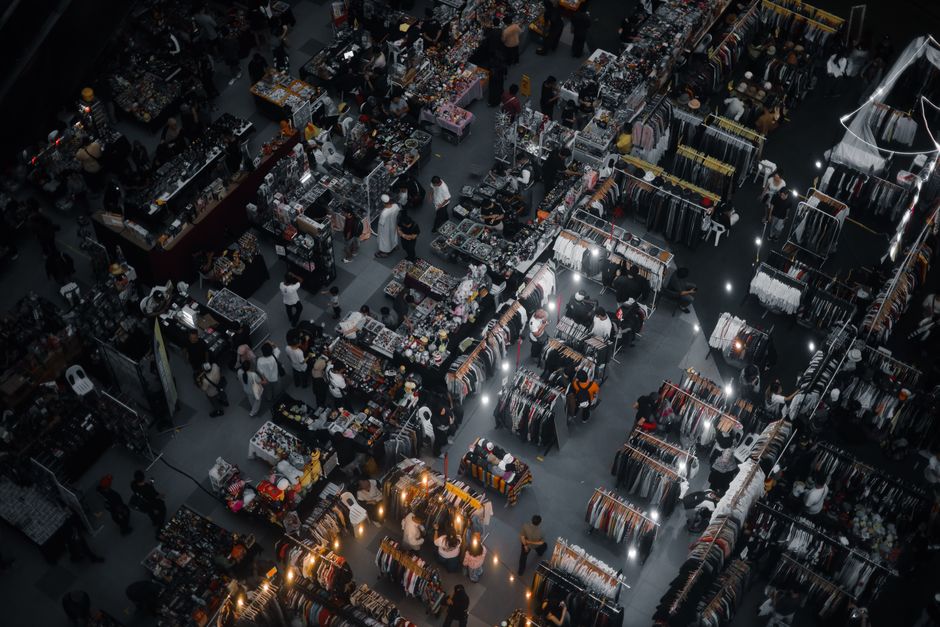
An overcrowded booth dilutes your message and confuses attendees. Clear space, a single strong offer, and easy-to-find staff create a calmer, more effective experience.
- Too little space creates friction
- Weak or missing CTA
- No follow-up framework for new leads
If the CTA is buried, attendees will move on quickly. Place a dominant call-to-action at eye level and reference it in conversations to guide follow-ups.
Failing to follow up within a week saps the value of the contact list. Plan a post-event sequence that begins with a friendly reminder and a relevant resource.
- Keep booth layout open and accessible
- Lead with a clear on-site CTA
- Implement a prompt post-event follow-up plan
- Train staff on concise, confident pitches
Frequently asked questions
How should I prepare for an event in advance?
Start with a concise plan covering booth setup, lead capture, staff roles, and a post-event follow-up. Prepare a 20-second pitch, a demo or takeaway, and a sign-up incentive. Rehearse with the team to ensure smooth delivery.
What is the best way to capture leads at an event?
Use a quick, digital sign-up form or QR code to collect contact details. Offer value in return, such as a resource or entry to a draw. Ensure the data feeds into your CRM for timely follow-up.
How can I measure event success beyond attendance?
Track lead quality, engagement moments (demos requested, content downloads), and post-event conversions. Define a simple, attainable goal before the event and compare results against it after follow-up.
Should I consider paying for sponsorship or partnerships?
Yes if the activation fits your target audience and offers a clear path to engagement. Negotiate for visibility that complements your booth and plan a structured post-event follow-up.
Next steps for your event strategy
With a clear, repeatable approach, events become a steady stream for qualified leads. Start by refining the booth concept, simplifying sign-ups, and drafting a fast, personalized follow-up sequence. This creates momentum from the first moment of contact.
The next step is to apply these steps to your Hempstead plan, adjusting for local sensibilities and venue specifics. Map responsibilities, set realistic timelines, and test messaging with a small audience before the event to learn quickly.


