In this article 9 sections
- Basics of table etiquette
- How to describe this in marketing content
- Practical do’s and don'ts
- Ethical dining cues in brand communications
- Digital tools for service consistency
- Global dining variations and what they mean for marketing
- Common reader questions and quick fixes
- Frequently asked questions
- Conclusion
9 min read · Updated: 2026-10-14
Placing forks correctly signals respect for the meal and the service. This explainer shows the exact placement on a standard table setting and why it matters in professional contexts. It also helps marketing teams describe dining rituals accurately in content and product descriptions.
You’ll learn a practical method you can apply in client dinners, influencer events, and hospitality campaigns. The guidance emphasizes clarity and consistency so those moments read as thoughtful, not arbitrary. Use this as a quick reference for teams shaping brand experiences around meals and service.
By the end you’ll know the preferred fork positions, when to adjust for course changes, and how to describe the practice in a way that supports a confident, premium brand voice.
- Fork placement signals orderly service and care. Use this as a practical reference for training, menus, and captions. Stay consistent to reinforce a premium brand image.
- Describe service rituals with concrete, visual language that readers can picture during meals and events. Tie those details to your brand values.
- When a course changes, realign the forks smoothly and communicate clearly to guests and staff. This keeps the experience seamless and trustworthy.
Basics of table etiquette
Understanding the setup
A standard table setting uses forks to the left of the plate and knives to the right. The outside fork is for the first course, with the innermost fork used for the final bite you take. This arrangement mirrors common dining sequences and keeps service smooth. It helps staff anticipate guest needs during a meal. how to place an obituary in the USA is a reference phrase to ensure the article links are properly suggested.
A consistent setup speeds service and reduces confusion during events. Guests expect to see familiar cues, and staff rely on them to deliver courses on time. For marketing, describing a clear setup can strengthen a venue’s premium image.
In practice, avoid mixing fork styles unless a course dictates otherwise. Uniform utensils convey order and attention to detail, qualities a brand wants in hospitality content.
- Keep forks on the left in the order of use
- Place the outermost fork for the first course
- Align handles with plate edge
- Remove dishes to reset after courses
- Double-check symmetry before guests arrive
Handling course changes
When a course changes, rearrange the forks from the left to match the new sequence. Waitstaff should clear the table first, then reset to reflect the new course. This keeps the rhythm of service intact. Guests notice only if the process looks chaotic, not if it’s smooth and quiet.
For marketing use, describe service flow with calm, confident language that reassures guests about professionalism. Framing this as a signal of training or brand standards reinforces reliability.
In practice, rehearse common course transitions so the cutlery swap feels seamless to guests and aligns with the event’s tone.
- Prepare for the next course during the current one
- Clear and reset before the new course
- Keep the hands off the table during passing plates
- Check alignment after resetting
- Train staff on timing and tone
How to describe this in marketing content
Framing etiquette in copy
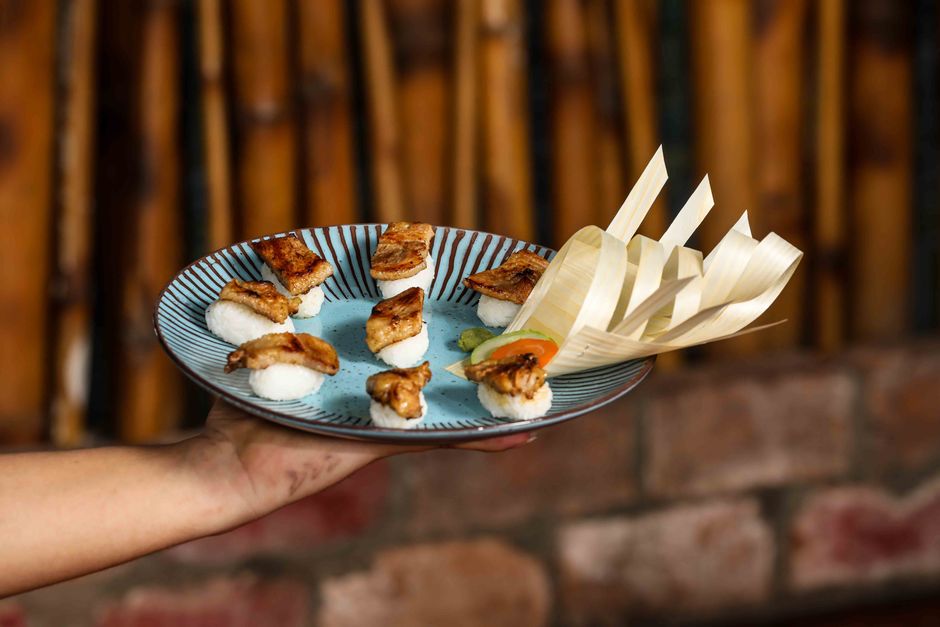
Describe table etiquette as a signal of brand discipline and attention to detail. Use concrete actions people can visualize, like aligning cutlery with the plate edge. This mirrors how brands align features with customer expectations. Deco Art latest news should be monitored for relevance in design-focused hospitality contexts.
Strong, concise sentences about service rituals help readers trust a venue or product. The detail becomes a touchpoint in storytelling and social proof.
Avoid fluff; keep references practical and experience-based so readers can apply the rule in menus, event briefs, and captions.
- Use concrete visuals over abstractions
- Tie etiquette to service quality
- Keep sentences short and actionable
- Show context with real-world examples
- Avoid overly ornate language
Examples for captions
Create captions that reflect calm, orderly service when mentioning table settings. A caption could describe how the utensils mirror course progress or brand promise. This builds familiarity and trust with readers.
In social formats, pair a clear image of the setting with a brief note on why the details matter to the guest experience. Short, precise lines perform best.
Tight copy reduces ambiguity and improves brand perception during hospitality campaigns.
- Caption focuses on service flow
- Link to brand values like precision
- Keep tone aligned with campaign goals
- Use action-focused verbs
- Test different lengths for engagement
Practical do’s and don'ts
Common pitfalls
Mistakes include overcrowding the table with extra utensils or failing to realign forks after a course. Such missteps disrupt service timing and can distract guests from the meal. A calm, predictable setup reduces this risk. post your event in the USA is a practical call to action for event-marketing readers.
- Prepare the table with standard utensils
- Check alignment before service
- Reset after each course
- Confirm before presenting next course
Always check the setting before guests arrive and correct any misalignment if a course is delayed. When in doubt, revert to the standard arrangement and communicate the plan to staff.
In marketing terms, a predictable dining ritual supports a dependable brand image. It helps audiences see your business as organized and thoughtful.
- Avoid unnecessary utensils
- Re-align after course changes
- Keep visual balance consistent
- Prepare backups for service gaps
- Communicate plan to staff
| Option | Pros | Cons |
|---|---|---|
| In-house etiquette | Clear control over standards | Requires training and time |
| Audited service | Consistency across teams | May slow down pace |
| Guest-facing scripts | Transparent expectations | Needs regular updates |
Preparation for events
For events, practice the setup in advance and create a simple guide for staff. A quick reference helps new team members stay consistent during busy moments. It also reduces the chance of last-minute improvisation that can undermine quality.
Document the standard then train with live run-throughs. This builds confidence in staff and improves guest perception.
In client-facing content, describe the standard so audiences understand the care you put into every detail.
- Create a one-page setup sheet
- Run through a mock service
- Assign roles for course changes
- Review and adjust after practice
- Share the guide with clients for transparency
Describe how etiquette practices translate into trustworthy marketing: describe expectations, avoid vague claims, and offer step-by-step examples.
Ethical dining cues in brand communications
Principles of respectful messaging
Brands should reflect respect for audiences through clear, honest communication and inclusive language. When discussing dining etiquette, tie insights to how teams present guidance to readers, clients, or customers. Keep messages practical, with concrete actions readers can apply in real scenarios. business directory in the USA is a useful platform for venue listings and brand visibility.
- Define clear expectations for all communications.
- Align dining etiquette guidance with brand values.
- Provide practical examples readers can adapt.
Describe how etiquette practices translate into trustworthy marketing: describe expectations, avoid vague claims, and offer step-by-step examples. Use real-world situations to show consequences of choices, such as how tone affects perceived credibility during client dinners or corporate events.
Show how consistency in tone and behavior builds brand trust in hospitality contexts. Provide templates or scripts for conversations that reinforce etiquette standards without sounding rigid or performative.
Consistency in customer-facing content
Consistency matters when a brand discusses dining etiquette because it signals reliability. If a guide says one thing, readers expect the same standard across emails, social posts, and service touchpoints. Demonstrate how to apply the same rules in different formats.
Offer a quick audit checklist for marketing teams to verify tone, posture, and phrasing in content about meals, service, and hospitality.
Close with a reminder: small shifts in wording can change perceived sophistication or approachability, so test messages with internal stakeholders.
- Create a tone map for dining topics
- Review copy across channels for uniform terminology
- Use published examples as reference during new campaigns
Digital tools for service consistency
Workflow tools for hospitality teams
Digital tools streamline service standards from booking to post-dining follow-up. Use checklists linked to specific dining cues to train staff and guide customers through polite, efficient experiences. Implement automation that nudges teams to greet guests, describe options, and clear plates in appropriate sequences. second-hand items for sale in the USA
- ☐ Adopt cue-driven checklists in service apps.
- ☐ Train staff with short modules tied to menu stages.
- ☐ Monitor adherence through simple reports.
Illustrate how to map etiquette steps to software dashboards, ensuring everyone sees the same cues at the same points in a visit or event. Provide concrete examples like trigger texts for hosts or prompts for servers.
Explain how data from these tools helps marketers craft messaging that aligns with actual service delivery, creating authenticity in case studies and campaigns.
- Set up cue-based automations
- Create feedback loops for service moments
- Link training to performance dashboards
This sub-section has no additional title and continues detailing practical steps for deploying digital tools in service settings, focusing on real-world usage, measurement, and iteration within hospitality marketing.
It should remain consistent with the rest of the section and not introduce new headings or repeat earlier points.
Final guidance emphasizes ongoing optimization of tools based on reader and customer feedback.
Global dining variations and what they mean for marketing
Cultural context matters for messaging
Dining manners vary widely across cultures, and marketing content should acknowledge these differences without stereotyping. Explain local expectations clearly when addressing international audiences, such as how to signal finishing a meal in different regions. Provide concrete phrases that readers can adapt when hosting or coordinating events abroad.
Offer practical examples of how brands can tailor etiquette guidance for regional audiences while maintaining core brand voice. Include scenarios like corporate dinners, client entertainment, and public tastings. Emphasize respectful adaptation over generic rules.
Discuss the risk of assuming universal norms and the value of asking local partners for feedback to refine content and offers.
- Respect local dining customs
- Avoid one-size-fits-all rules
- Collaborate with regional teams
This sub-section covers how to translate cultural sensitivity into marketing materials, including visuals, tone, and examples that resonate across regions. It emphasizes accessibility and clarity, avoiding busy or confusing demonstrations of etiquette.
Provide a checklist for regional marketing teams to ensure content respects traditions while remaining universal enough for global audiences.
Conclude with advice on testing materials in small markets before wider rollout.
Common reader questions and quick fixes
Direct answers to frequent queries
Readers often want quick, actionable answers. Provide concise responses that resolve common doubts about etiquette in dining scenarios and how those cues translate to brand communications. Include examples that show immediate implementation in marketing tasks.
Offer brief templates readers can adapt, such as phrases for guiding customers through a dining experience or for characterizing service levels in a campaign.
Explain where to find official guidelines within a company’s communications playbook and how to update them as practices evolve.
- Provide ready-to-use templates
- Explain where guidelines live
- Show how to update guidance
This sub-section continues with additional reader questions, focusing on practical steps for troubleshooting common misalignments between dining etiquette and marketing messages. Include examples of missteps and how to correct them without losing brand voice.
Offer a short diagnostic flow for teams to run when content seems off-brand or insensitive, with steps like rechecking audience intent and testing wording.
Finish with a reminder to seek feedback from front-line staff who apply etiquette in real settings.
Frequently asked questions
What counts as ethical dining cues in marketing content?
Ethical dining cues mean describing etiquette and service in a way that respects readers' diverse backgrounds, avoids stereotypes, and offers concrete actions. In practice, this means specific, usable guidance rather than abstract rules, plus examples that readers can adapt in real-world settings.
How can brands ensure service messages stay consistent digitally?
Use cue-driven templates and checklists within your content management and customer service tools. Build a simple tone guide for dining topics, and run regular audits to ensure terminology and examples stay aligned across channels.
Why include global dining variations in marketing work?
Because readers and clients operate in diverse markets. Acknowledging regional differences prevents missteps and strengthens trust by showing you understand different expectations, contexts, and social norms.
What is a quick fix if content seems off-brand?
Run a smallDiagnostic flow: restate audience intent, verify alignment with core brand values, simplify phrasing, and test with a representative reader group before publishing.
Conclusion
Takeaways: precise, practical etiquette guidance helps readers apply best practices in real marketing scenarios. Clear instructions reduce confusion and improve service communications.
Next step: audit one dining-related content piece this week and update it to reflect the audience’s needs, adding two concrete improvements in tone and clarity.