Inside the Surge: How Urban Buyers Are Redefining Chinese Real Estate
- August 16, 2026
- General
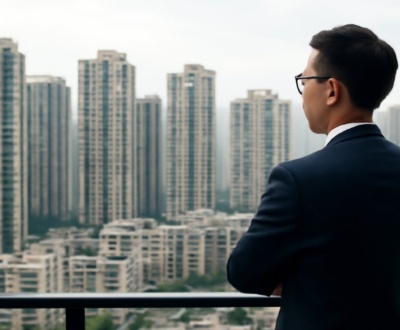
For years, China's housing market has been a hotbed of speculation and astronomical growth. However, beneath the surface of this frenetic boom lies a more nuanced reality: the changing face of urban China. A new generation of buyers, from tech-savvy Shenzhen entrepreneurs to creative professionals in Shanghai, are rewriting the rules for real estate, demanding more than just prime locations and high-end finishes. In cities across the country, from the sleek skyscrapers of latest news updates from China today to the revitalized waterfronts of Guangzhou, the old certainties of China's real estate market are giving way to uncertainty. What does this mean for the future of urban China, and for the very concept of what it means to own a home in this rapidly changing nation? To answer these questions, we're taking a closer look at the forces driving the surge in China's real estate market, from the millennial buyers who are driving demand for innovative, eco-friendly developments, to the savvy investors who are placing their bets on the next big thing.
From Shenzhen to Shanghai: Unpacking the Rise of China's New Real Estate Hubs
In recent years, China's urban real estate market has experienced a surge, with cities like Shenzhen and Shanghai emerging as prominent hubs. These cities have attracted significant investment and attention from both domestic and international buyers. The rise of these new real estate hubs can be attributed to a combination of factors, including improved infrastructure, growing economies, and increased demand for luxury properties.
- ☐ Understanding the local market conditions and regulatory environment
- ☐ Researching different neighborhoods and property types
- ☐ Working with a local real estate agent or lawyer to facilitate the purchase process
- ☐ Considering factors like property price, location, and rental yields
Shenzhen, in particular, has become a favorite among Chinese buyers due to its proximity to Hong Kong and its reputation as a financial center. The city has seen a significant increase in luxury property sales, with many high-end developments emerging in the past few years. Meanwhile, Shanghai has positioned itself as a hub for international buyers, with many foreign investors drawn to the city's growing economy and rich cultural heritage.
The Millennial Effect: How Young, Urban Buyers Are Demanding More Than Just Space
Young professionals entering China’s property market are no longer chasing detached houses on the outskirts. They gravitate toward compact apartments that sit above cafés, co‑working spaces and transit hubs. The shift reflects a lifestyle where convenience outweighs square‑meterage, and where digital connectivity is as essential as a balcony view.
Developers respond with amenities that read like a lifestyle menu: smart home systems, shared gyms, and on‑site childcare. These offerings echo the expectations set by global tech hubs, yet they are tailored to Chinese urban grids where a subway line can be a daily commute. As a result, property listings now highlight proximity to “15‑minute neighborhoods” as heavily as they tout floor plans.
Analysts tracking China’s housing market news and trends warn that this demographic‑driven demand could reshape supply chains. Construction firms are allocating more resources to high‑rise, mixed‑use towers, while legacy builders of low‑rise suburbs scramble to retrofit projects with co‑living concepts. The outcome may be a market where space is premium, but the value lies in the ecosystem surrounding it.
Savvy Investors vs. Speculators: Who's Behind China's Real Estate Boom?
Analysts separate two driving forces behind the recent surge: disciplined investors who treat property as a long‑term portfolio asset, and opportunistic speculators chasing short‑term price spikes. The former tend to focus on cash‑flow, location fundamentals and regulatory stability, while the latter often rely on rapid turnover and leverage. This split is evident in city‑wide transaction data, where a growing share of purchases are financed through corporate vehicles rather than personal mortgages.
- Step 1: Identify properties with consistent rental yields in Tier‑2 and Tier‑3 cities.
- Step 2: Conduct due‑diligence on developer reputation and local zoning plans.
- Step 3: Secure financing that aligns with a multi‑year hold strategy.
- Step 4: Monitor policy shifts and adjust exit timing accordingly.
Speculators, by contrast, gravitate toward newly launched projects in hot‑spot districts, banking on hype and limited supply to push prices upward. Their activity spikes after policy loosening, such as temporary relaxations on purchase limits. Yet the same policies that invite speculation also attract seasoned investors seeking undervalued assets when the market cools.
Understanding this dichotomy helps policymakers calibrate interventions—tightening credit to curb speculative flips while preserving access for genuine investors. For readers tracking the evolving story, digital branding strategies offer a useful parallel on how perception drives demand, just as China's housing market news and trends continue to shape buyer behavior across the nation.
Beyond the High-Rise: Exploring China's Shift to Greener, More Sustainable Urban Developments
Urban planners in major Chinese cities are increasingly integrating green corridors, rooftop farms, and energy‑efficient façades into new high‑rise projects. The shift reflects mounting pressure from younger buyers who prioritize low‑carbon living and access to nature within dense districts. Developers are responding with mixed‑use towers that feature solar panels, rain‑water harvesting systems, and shared bike hubs, turning what were once concrete monoliths into mini‑ecosystems.
Municipal governments are also revising zoning codes to require a minimum percentage of green space in new developments. In Shenzhen, a recent policy mandates that at least 15% of a building’s footprint be dedicated to vegetation or public parks. This regulatory push aligns with consumer demand, as surveys show a growing segment of homebuyers willing to pay a premium for environmentally friendly amenities. For readers seeking deeper context, the article Doğanın Sırları: Çin'in Hayvan ve offers a useful perspective on how wildlife considerations are shaping urban design.
These trends are reshaping China's housing market news and trends, signalling that the next wave of urban growth will be measured not just in square meters but in the amount of green it can sustain.
The Politics of Property: How China's Government Is Balancing Economic Growth with Social Stability
Beijing’s housing policy has shifted from aggressive expansion to a cautious calibration, aiming to sustain growth without igniting social unrest. Officials have tightened credit for speculative purchases while expanding affordable‑unit programs in Tier‑2 cities, a move designed to cool overheated markets and reassure citizens that shelter remains within reach.
The central government’s dual‑track approach mirrors its broader macroeconomic strategy: support key sectors while preventing bubbles that could threaten stability. When city councils roll out new subsidised rentals, the Ministry of Housing quickly assesses fiscal impact, adjusting loan‑to‑value caps to keep the credit cycle in check. Analysts point to the recent guidance on “housing is for living, not for speculation” as a clear signal that policy will remain tight until price volatility eases.
Foreign investors watching the market are urged to study domestic reforms alongside global trends. A recent briefing highlighted how Chinese policymakers reference lessons from other economies—see Navigating the Global Market: Strategies—to fine‑tune their own controls. For anyone tracking the sector, keeping an eye on official statements and the latest China's housing market news and trends is essential for gauging the next policy pivot."}
Urban Renewal in the Time of Growth
As China's urban population booms, the real estate sector is undergoing a seismic shift. The country's major cities are redefining themselves, with sprawling metropolises giving way to greener, more sustainable neighborhoods. At the heart of this transformation are savvy investors and urban buyers, who are demanding more than just space – they're seeking lifestyle and community.
Key to this shift is the government's willingness to balance economic growth with social stability. By implementing policies that support sustainable development and affordable housing, Beijing is creating a framework for the next chapter in China's urban growth story.
As the country hurtles towards 2030, one thing is clear: the future of China's housing market will be shaped by the interplay between government policy, urban buyers, and the evolving needs of a rapidly changing society. Will this balance hold, or will the pressures of growth prove too great to manage?
Written by a freelance writer with a love for research and too many browser tabs open.
About us and this blog
We are a digital marketing company with a focus on helping our customers achieve great results across several key areas.
Request a free quote
We offer professional SEO services that help websites increase their organic search score drastically in order to compete for the highest rankings even when it comes to highly competitive keywords.
Subscribe to our newsletter!
More from our blog
See all posts